Holistic Addiction Treatment in Orange County, CA
This type of therapy incorporates practices and activities that aim to harmonize the mind, body, and spirit. Holistic rehabilitation can enhance overall well-being, address physical addiction symptoms, alleviate cravings, and assist in minimizing withdrawal symptoms. Rehabilitation centers that provide holistic therapy incorporate therapy services, exercise, meditation, and nutrition as integral components of their treatment programs.
Our holistic rehab facility offers alternative treatment methods in conjunction with traditional ones to accurately diagnose and treat the whole person. As one of the drug rehabs in Orange County, our team focuses on getting to the root of the problem and treating all contributing factors to maximize the chance of long-term recovery outcomes.
In Orange County addiction treatment settings like Laguna Shores Recovery, holistic care is integrated with evidence-based clinical therapies to create a more comprehensive and individualized recovery experience. This combined approach may include mindfulness practices, nutrition and wellness support, movement therapy, stress management techniques, and dual diagnosis treatment for co-occurring mental health conditions.
Unlike traditional talk therapy alone, holistic psychotherapy blends conventional counseling methods with complementary practices such as breathwork, meditation, or hypnotherapy. These modalities are designed to help individuals regulate emotions, reduce stress, and reconnect with their overall sense of balance and well-being.
Today, many addiction treatment centers incorporate holistic therapies alongside clinical care because recovery is most sustainable when it supports the whole person, not just the addiction itself.

The Role of Holistic Therapy in Addiction Treatment
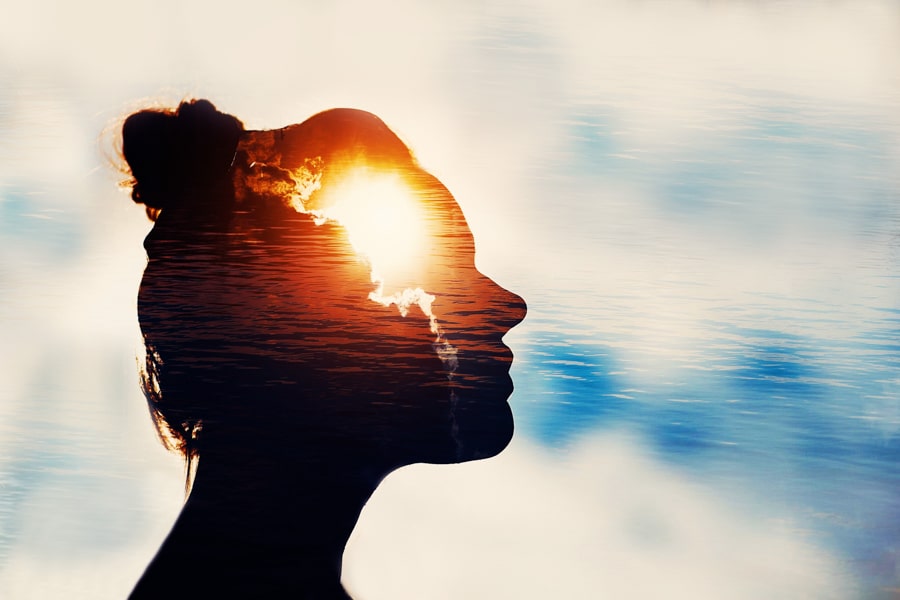
When someone is actively addicted, they have likely neglected their physical, mental, and spiritual well-being. Addiction is a three-fold disease, impacting the mind, body, and spirit. To enhance recovery, holistic therapy is an integrative approach that aligns these three aspects. Holistic therapists specialize in treating the mental and physical effects of addiction as well as addressing nutritional and emotional imbalances.
A comprehensive rehabilitation program imparts knowledge of healthy activities that can be integrated into one’s daily routine to sustain recovery even after treatment has ended. Drug abuse is a harmful habit that can take over one’s life. The most effective way to break this habit is to substitute it with a beneficial one that promotes both physical and spiritual well-being.
Holistic rehabilitation programs also provide insight into the interconnection between the mind, body, and spirit. By nurturing each of these aspects, they work in harmony to foster a healthy lifestyle. Activities that promote spiritual healing, such as meditation or Reiki, facilitate recovery. Self-care is how individuals incorporate healing practices for the mind, body, and spirit into daily life.
Be Brave. Get Help.
Spiritual Support and the Serenity Prayer in Recovery
Many individuals find that pairing spiritual reflection with clinical care, mindfulness practices, and 12-step support creates a more complete foundation for lasting sobriety. At Laguna Shores Recovery, we honor each person’s spiritual path and incorporate these principles into our whole-person approach to healing.
Benefits and Goals of Holistic Therapy for Addiction
Holistic therapy is an integrated form of treatment that encompasses all three aspects of addiction and recovery within a single program. Individuals in recovery face challenges such as chronic stress, sleep deprivation, unhealthy coping mechanisms, and nutritional deficiencies. Upon achieving sobriety, they may encounter cravings, emotional dysregulation, and difficulty staying mentally engaged.
The main objectives and benefits of holistic therapy include:
- Identifying root causes of addiction
- Building self-esteem and confidence
- Teaching coping strategies for cravings and mental obsessions
- Promoting healthy lifestyle habits through nutrition and exercise
- Supporting emotional regulation and trigger management
- Introducing calming and restorative practices
- Strengthening spiritual connection through mindfulness
Holistic healing methods are most effective when combined with traditional approaches such as cognitive behavioral therapy and medication-assisted treatment (MAT). This comprehensive model can reduce relapse risk and improve overall well-being.
Holistic Approach to Alcohol Recovery
Alcohol detection timelines vary:
- Blood: up to 12 hours
- Breath: up to 24 hours
- Urine: 12 to 48 hours, up to 80 hours in some cases
- Hair: up to 90 days
Because withdrawal and detection vary widely, medical supervision is strongly recommended before stopping alcohol use. Medically supervised detox is often the safest first step before entering ongoing treatment.
Mindfulness Practices in Recovery
Common mindfulness practices include:
- Guided meditation
- Breathwork
- Body scanning
- Grounding exercises
- Urge surfing
- Mindful movement
Research supports mindfulness-based interventions for reducing substance use and improving long-term recovery outcomes. At Laguna Shores Recovery, these skills are integrated into daily clinical programming as practical tools for recovery.
Holistic treatment also recognizes that addiction is often driven by deeper issues such as unresolved trauma, chronic stress, or mental health conditions. Through therapies like cognitive behavioral therapy, mindfulness, and trauma-informed care, individuals can better understand their behaviors and develop healthier coping strategies.
In addition to traditional care, holistic programs may include complementary approaches such as:
- Acupuncture
- Meditation
- Yoga
These techniques help reduce stress, manage cravings, and support overall physical and mental well-being.
A strong support system is also essential for recovery. This may include:
- Family involvement in treatment
- Peer support groups such as Alcoholics Anonymous or Narcotics Anonymous
These connections provide accountability, structure, and community, which are important for long-term recovery.
While holistic treatment may not be right for everyone, it can offer a more comprehensive and personalized approach when combined with clinical care and ongoing support.
Behavioral therapy forms the clinical foundation of holistic addiction treatment, working alongside whole-person care.
Common techniques include:
- Cognitive behavioral therapy
- Motivational interviewing
- Trauma-informed therapy
- Relapse prevention planning
- Coping skills development
- Family involvement
- Wellness routines, including sleep, nutrition, and exercise
These therapies provide structure and accountability, while holistic care supports emotional and physical healing.
Many individuals experience co-occurring mental health conditions alongside addiction.
Common conditions include:
- Anxiety disorders
- Depression
- Derealization
- Borderline personality disorder
- PTSD and trauma
Signs may include:
- Persistent low mood
- Anxiety or panic attacks
- Emotional instability
- Dissociation
- Unresolved trauma history
At Laguna Shores Recovery, dual diagnosis treatment ensures both mental health and addiction are treated together.
The Alternative Approach: Types of Holistic Treatments
Holistic treatment for substance use disorder typically combines traditional and alternative therapies to address all aspects of addiction, including physical health, emotional regulation, and spiritual well-being.
Common holistic treatment modalities include:
- Medical detox: Often the first step in recovery, medical detox is most effective when paired with behavioral therapies such as cognitive behavioral therapy and ongoing clinical support. This integrated approach helps stabilize the body and reduce relapse risk.
- Cognitive behavioral therapy (CBT): Helps individuals identify and change negative thought patterns and behaviors that contribute to substance use.
- Mindfulness-based therapies: Support awareness of thoughts and emotions while building healthier responses to stress and cravings.
- Trauma-informed care: Recognizes the impact of trauma and focuses on safe, structured healing.
- Acupuncture: A traditional Chinese medicine practice that may help reduce cravings and support physical balance.
- Meditation and yoga: Help reduce stress, improve emotional regulation, and support overall mental and physical health.
- Peer support groups: Programs such as Alcoholics Anonymous or Narcotics Anonymous provide community, accountability, and long-term support.
Nutrition plays a key role in recovery. Many individuals experience sugar cravings in early sobriety, and a high-sugar diet can contribute to mood swings, fatigue, and weight changes.
A balanced, nutrient-rich diet helps support:
- More stable energy levels
- Improved mood regulation
- Physical healing and restoration
Healthy eating also becomes part of rebuilding structure and long-term wellness in recovery.
Mindfulness-based practices such as meditation and yoga are widely used in addiction treatment. Research published in the Journal of Substance Abuse Treatment shows that mindfulness-based interventions can reduce substance use and improve coping skills.
Guided meditation helps individuals observe thoughts without judgment, making it easier to manage cravings, emotions, and stress. Over time, this builds mental clarity and emotional stability.
Meditation is often described as a way to reconnect with inner calm and balance, supporting both emotional and spiritual recovery.
Regular physical activity supports both mental and physical recovery by reducing stress, improving mood, and helping rebuild routine.
Common recreational therapies in Orange County treatment programs include:
- Hiking
- Horseback riding
- Canoeing
- Sports
- Dance
- Golf
- Outdoor activities
Exercise also helps replace unhealthy habits with structured, positive routines.
Creative therapies give individuals a way to express emotions that may be difficult to verbalize. Music and art therapy can include:
- Painting
- Drawing
- Listening to or creating music
- Creative expression exercises
These approaches help reduce emotional stress and support self-expression in a safe environment.
Acupuncture and massage therapy are commonly used to support relaxation and physical recovery.
- Massage therapy helps reduce stress and muscle tension
- Acupuncture may support balance in the body and help reduce cravings
Research published in the Journal of Alternative and Complementary Medicine suggests acupuncture may improve cravings and overall well-being in individuals recovering from addiction.
Holistic care does not replace medical treatment. Instead, it works alongside it to support full-body recovery.
For some individuals, medication-assisted treatment (MAT) using medications such as buprenorphine or naltrexone can be an important part of early stabilization. Holistic therapies complement this medical support rather than compete with it.
Many people also have questions about psychiatric medications during recovery. These decisions should always be made with a licensed prescriber.
Common medications include:
- Lexapro (escitalopram): May cause nausea, sleep changes, or fatigue. It is sometimes prescribed for anxiety or depression. Any concerns should be reviewed with a clinician rather than stopping suddenly.
- Zoloft (sertraline): May cause digestive discomfort, sleep changes, or appetite shifts. Medication concerns should always be discussed with a medical provider.
- Gabapentin: May cause dizziness, drowsiness, or coordination changes. Clinical oversight helps determine how it fits into a recovery plan.
Holistic addiction treatment in Orange County takes a full-picture approach, ensuring that medical care, mental health treatment, and whole-person healing all work together in a coordinated way.
How to Choose Holistic Addiction Treatment in Orange County, CA
It is important to note that while holistic therapies can be beneficial for some individuals, they may not be suitable for everyone and should be used as part of a comprehensive treatment plan. When evaluating treatment programs, consider:
- Medical detox availability
- Residential treatment options
- Dual diagnosis care
- Licensed clinical staff
- Evidence-based therapies
- Holistic services
- Aftercare planning
- Insurance verification
It is always important to consult with a qualified healthcare professional before starting any new treatment approach.
Holistic Therapy FAQs
Behavioral therapy techniques in holistic addiction treatment commonly include cognitive behavioral therapy (CBT), motivational interviewing, trauma-informed therapy, relapse prevention planning, and coping-skills development, used alongside whole-person practices such as mindfulness, nutrition, and movement therapy.
Yes. Holistic rehab can support individuals with co-occurring anxiety, depression, PTSD, and other mental health conditions when licensed mental health care is integrated into the treatment plan, addressing both substance use and mental health symptoms together.
The Serenity Prayer is a widely used recovery reflection that encourages acceptance, courage, and wisdom. Many people incorporate it into spiritual support practices, 12-step participation, and mindfulness-based healing as part of a broader holistic recovery plan.
Ketamine therapy is an emerging treatment used in some mental health and addiction settings, but it is not a standard feature of every holistic program. Its appropriateness depends on individual diagnosis, safety considerations, and clinical evaluation by a qualified provider.
People researching medication side effects are often trying to understand whether anxiety, depression, sleep disruption, or substance use is affecting how they feel. Holistic assessment looks at the full picture, while medication decisions remain the responsibility of a licensed prescriber.
Holistic rehab in California programs combine evidence-based addiction treatment with complementary therapies that support the mind, body, and spirit. At Laguna Shores Recovery, our holistic approach may include mindfulness, yoga, nutrition counseling, fitness, and other wellness-focused therapies to promote long-term healing and recovery.
Holistic recovery focuses on treating the whole person rather than just the addiction. By addressing physical health, emotional well-being, mental health, and lifestyle habits alongside clinical treatment, holistic recovery helps individuals build healthier coping skills, reduce the risk of relapse, and achieve lasting sobriety.
Receive Holistic Therapy at Laguna Shores Recovery
We believe true healing involves the mind, body, and spirit. Our integrated programs bring together traditional treatment and holistic practices to help individuals build a strong foundation for long-term wellness.
Proudly serving individuals and families across Orange County, Laguna Shores Recovery is Joint Commission-accredited and California licensed. Our clinical team specializes in personalized care for substance use and co-occurring mental health conditions. From your first call, our admissions process is compassionate and supportive, helping you take the next step with clarity and confidence. Contact us today.