Prescription Drug Addiction Treatment in Orange County, CA
Prescription drug addiction rarely starts with bad intentions. Often, it begins with a legitimate prescription, pain medication after surgery, anxiety medication for panic attacks, or stimulants for attention-deficit hyperactivity disorder (ADHD). Over time, proper medical use can lead to tolerance and physiological dependence, eventually evolving into addiction when usage extends beyond the prescribed amount.
According to the California Department of Public Health, prescription drug misuse remains one of the state’s fastest-growing substance use concerns. In 2024, California recorded approximately 6,200 drug overdose deaths, with nearly half involving prescription opioids. Benzodiazepine-related overdoses continue to rise among adults ages 18 to 34, while prescription-related overdose rates remain highest in Southern California and the Central Valley.
At Laguna Shores Recovery in Dana Point, Orange County, we’ve seen firsthand how prescription drug dependence can affect people from all walks of life. Many individuals begin treatment after realizing they can no longer function without medication or when withdrawal symptoms interfere with daily responsibilities. With professional, evidence-based care, long-term recovery is achievable.
Common Types of Prescription Drugs
Opioid pain relievers, including oxycodone, hydrocodone, morphine, and fentanyl, are frequently prescribed for acute or chronic pain. These medications bind to opioid receptors in the brain and spinal cord, reducing pain while triggering dopamine release. Over time, repeated use alters brain chemistry, leading to tolerance and physical dependence.
Medications such as Xanax, Valium, and Ativan are prescribed to treat anxiety, panic disorders, and insomnia. They enhance the effects of gamma-aminobutyric acid (GABA), a neurotransmitter that slows brain activity and promotes relaxation. Dependence can develop quickly, even with short-term use.
Adderall, Ritalin, and Concerta increase dopamine and norepinephrine levels to improve focus and alertness. Commonly prescribed for ADHD and narcolepsy, stimulants can cause psychological dependence and feelings of inability to function without the medication.
SSRIs and SNRIs are prescribed for depression, anxiety, and mood disorders. While not typically addictive, misuse or abrupt discontinuation may cause withdrawal-like symptoms and emotional instability.
Used for muscle spasms, sleep disorders, or procedural sedation, these medications can lead to rapid tolerance. Abrupt discontinuation may result in rebound insomnia, muscle tension, or agitation.
How Prescription Drugs Become Addictive
Effects on the Brain
Prescription drugs can hijack the brain’s reward system by flooding it with dopamine that creates powerful feelings of pleasure or relief. Repeated use causes your brain to fight back. With repeated use, the brain reduces its natural dopamine production and responsiveness. This leads to tolerance, requiring higher doses for the same effect, and dependence, where the brain cannot function normally without the drug.
Prescription Drug Abuse in California
In 2024, more than 18% of Californians filled at least one opioid prescription, with nearly 1 in 5 residents being prescribed at least one opioid in the past year. The Central Valley, Orange County, and rural Northern California areas report the highest prescription misuse rates.
The California Overdose Surveillance Dashboard reports that prescription opioids remain involved in nearly 45% of opioid overdose deaths. Counterfeit pills contaminated with fentanyl now pose a significant risk, particularly among teens and young adults who believe they are taking legitimate prescribed medications.
Signs of Prescription Drug Addiction
- Taking higher doses than prescribed
- Using medication more frequently or for longer periods than directed
- Visiting multiple doctors or pharmacies to obtain prescriptions
- Strong urges to use the drug
- Experiencing withdrawal symptoms (e.g., nausea, anxiety, sweating) between doses
- Taking higher doses or using medication more frequently than prescribed
- Cravings and anxiety between doses
- Doctor or pharmacy shopping
- Secretive behavior or dishonesty about medication use
- Neglecting responsibilities at work, school, or home
- Mood swings, irritability, or depression
- Psychological reliance on medication to function
- Social withdrawal or relationship conflicts
- Tolerance and escalating dosages
- Withdrawal symptoms such as nausea, sweating, tremors, or muscle pain
- Changes in sleep, appetite, coordination, or speech
- Medical complications, including respiratory depression, cardiovascular strain, or liver damage
If you notice any of these signs in yourself or someone you care about, seeking professional treatment as soon as possible can prevent further harm. Early intervention improves the chances of successful recovery and lasting wellness.
Causes and Risk Factors
- Overprescribing trends: California has seen significant overprescribing of opioids, particularly following surgeries or injuries, creating opportunities for dependence to develop.
- Self-medication: Many people use prescription medications to cope with untreated anxiety, stress, chronic pain, or emotional distress.
- Family history: Genetic factors and family history of substance use disorders increase addiction risk.
- Co-occurring mental health conditions: Depression, trauma, PTSD, and anxiety disorders often co-exist with prescription drug addiction.
Prescription Drug Addiction Treatment at Laguna Shores Recovery
Treatment begins with a comprehensive medical and psychological evaluation, including prescription history, physical examination, laboratory testing, and withdrawal risk assessment. Based on these findings, clinicians develop a personalized treatment plan outlining detox protocols, therapy modalities, medication-assisted treatment options, and treatment duration.
Prescription drug withdrawal, particularly from opioids and benzodiazepines, requires medical supervision. Our facility offers 24/7 monitoring to manage symptoms and prevent complications. MAT combines FDA-approved medications with counseling and behavioral therapy. Options include:
- Methadone: Reduces cravings without producing euphoria
- Buprenorphine: Controls withdrawal with lower misuse risk
- Naltrexone: Blocks opioid effects
Benzodiazepine dependence is treated through gradual tapering schedules to prevent seizures and severe withdrawal.
Clients live on-site with round-the-clock support, therapy, and medical care. This immersive environment is ideal for severe addiction or co-occurring disorders.
PHP offers structured daytime treatment while allowing clients to return home in the evenings.
IOP provides flexible treatment three to five days per week, allowing individuals to maintain work or family responsibilities.
Many individuals with prescription drug addiction also experience mental health disorders. Integrated treatment addresses both conditions simultaneously.
- Depression: Common among individuals with opioid dependence
- Anxiety disorders: Frequently associated with benzodiazepine misuse
- Post-traumatic stress disorder (PTSD): Often linked to prescription drug misuse as a coping mechanism
Long-term sobriety is strengthened by replacing old habits with structured daily routines that include work or volunteer activities, exercise, regular meals, and meaningful social connections. Healthy relationships play a vital role, as individuals repair family ties and build supportive friendships. At Laguna Shores Recovery, we see these transformations every day and are committed to supporting each person on their unique path to lasting wellness.
Therapy and Support Services
- Cognitive Behavioral Therapy (CBT): Identifies harmful thought patterns
- Dialectical Behavior Therapy (DBT): Builds emotional regulation skills
- Individual Therapy: Addresses trauma, triggers, and coping strategies
- Group and Family Therapy: Encourages peer support and healthier communication
- Trauma-informed care: Trauma therapy helps individuals understand how past experiences influence substance use patterns.
Our rehab center is Joint Commission–accredited, reflecting our commitment to quality and safety.
Aftercare and Relapse Prevention
Recovery continues beyond treatment through aftercare planning, alumni programs, and peer support groups that help ease the transition back to daily life, and provide ongoing connection and accountability. Relapse prevention focuses on identifying triggers and developing healthy coping strategies such as mindfulness, stress management, and routine building. Clients are guided to build a sustainable, long-term recovery lifestyle.
Prescription Drug Treatment FAQs
The cost of residential programs can be high, but options are available. Most insurance plans provide coverage for prescription drug addiction treatment under federal parity laws, though coverage details vary by plan, including deductibles, copayments, and approved treatment durations.
Most insurance plans cover prescription drug treatment, including detox and residential care. Coverage varies by provider and policy, and treatment centers typically verify benefits and explain any out-of-pocket costs before admission.
Detox length depends on the medication, dosage, and duration of use. Opioid detox may last several days to a week, while benzodiazepine tapering can take weeks or longer to ensure safety and comfort.
Yes, medical detox is often recommended, especially for opioids and benzodiazepines. Supervised detox reduces withdrawal risks, manages symptoms, and helps prevent complications such as seizures or relapse.
After detox, individuals typically transition into residential or outpatient treatment, where therapy, relapse prevention, and mental health support address the underlying causes of prescription drug use.
Detoxing at home is not recommended for most prescription drugs, especially opioids and benzodiazepines. Withdrawal can be unpredictable and, in some cases, dangerous. Medical detox provides supervision, medications to ease symptoms, and immediate care if complications arise, making it a safer and more effective option.
Relapse represents a common part of the recovery process rather than a treatment failure, and treatment teams adjust care plans to address the factors that contributed to the relapse through increased therapy sessions, medication changes, or additional support services.
Starting the conversation with honesty about prescription drug struggles creates a foundation for family support, and choosing a calm moment to share specific concerns helps friends and family members understand the situation and the importance of professional treatment.
Our Prescription Drug Treatment Center is Here For You
Contact us today to verify your insurance coverage and take the first step toward lasting recovery. Our compassionate team is here to help you reclaim your life.
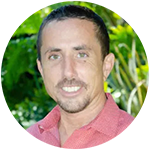 Matthew Beck B.A, M.A, LMFT