Meloxicam Addiction and Treatment in Orange County, CA
Meloxicam is a prescription nonsteroidal anti-inflammatory drug (NSAID) used to reduce pain and inflammation. It is commonly prescribed for conditions such as osteoarthritis and rheumatoid arthritis and is available in several forms.
Unlike opioid pain medications, meloxicam does not produce the same intoxicating effects or act on opioid receptors in the brain. It is not classified as a controlled substance and is generally considered to have a low potential for addiction. However, taking meloxicam incorrectly or combining it with certain medications, alcohol, or other substances can increase the risk of serious side effects and overdose.
People who struggle with chronic pain and substance use may also need support developing healthier pain-management strategies. Understanding how meloxicam works, its risks, and when to seek medical or addiction treatment can help people make informed decisions about their health.
Meloxicam is primarily prescribed to manage pain and inflammation associated with:
- Osteoarthritis
- Rheumatoid arthritis
- Juvenile idiopathic arthritis
Unlike over-the-counter NSAIDs such as ibuprofen and naproxen, meloxicam is available by prescription because of its potency and potential risks.
How Does Meloxicam Work?
NSAIDs such as meloxicam work by reducing the body’s production of prostaglandins, substances involved in inflammation and pain signaling.
By decreasing prostaglandin production, meloxicam can reduce inflammation, swelling, stiffness, and pain. This mechanism differs from opioid medications, which act on opioid receptors in the central nervous system.
Is Meloxicam an Opioid?
No. Meloxicam is not an opioid.
Although meloxicam can provide significant relief from certain types of pain, it belongs to the NSAID class of medications rather than the opioid class. Opioids, such as oxycodone, hydrocodone, and morphine, affect opioid receptors in the brain and nervous system and can produce euphoria and physical dependence.
Meloxicam does not work in the same way and is not considered a narcotic pain medication. Learn more about opioids and opioid addiction.
Is Meloxicam a Controlled Substance?
No. Meloxicam is not classified as a controlled substance under the federal Controlled Substances Act.
Because meloxicam does not have the same high potential for abuse associated with many opioid medications, it is not included on the DEA’s controlled-substance schedules.
However, being non-controlled does not mean that meloxicam is completely risk-free. Taking more than prescribed, using it without medical supervision, or combining it with other substances can lead to serious health complications.
Learn more about drug schedules and controlled substances.
Can You Become Addicted to Meloxicam?
However, some people with chronic pain may become psychologically reliant on medication as their primary way of managing pain. This is different from developing a substance use disorder caused by the pharmacological effects of meloxicam.
For someone struggling with addiction to another substance, misusing meloxicam can also create additional health risks, particularly when it is combined with alcohol, opioids, psychiatric medications, or other drugs.
People who feel unable to manage pain without medication should speak with a healthcare professional about safer long-term pain-management options.
Meloxicam Misuse and Abuse
Examples of inappropriate use include:
Taking prescription meloxicam without medical supervision can increase the risk of side effects and potentially dangerous drug interactions. A healthcare professional can determine whether meloxicam is appropriate based on a person’s medical history, other medications, and existing health conditions.
Taking a higher dose than prescribed does not necessarily provide better pain relief and can increase the risk of gastrointestinal bleeding, kidney problems, cardiovascular complications, and other serious adverse effects.
Anyone who believes they have taken too much meloxicam should seek immediate medical guidance.
Side Effects of Meloxicam
Some side effects can become more serious, particularly with higher doses or prolonged use.
Serious Side Effects of Meloxicam
Serious complications may include:
Anyone experiencing signs of gastrointestinal bleeding, a heart attack, stroke, severe allergic reaction, or another serious complication should seek emergency medical attention.
Meloxicam Drug Interactions
Potentially concerning combinations may include:
- Antidepressants
- Anti-anxiety medications
- Corticosteroids
- Lithium
- Blood thinners
- Other NSAIDs
- Alcohol
People taking multiple medications should tell their healthcare provider about everything they take, including prescription medications, over-the-counter drugs, and supplements.
People experiencing anxiety or other mental health symptoms should also discuss those concerns with a healthcare professional rather than attempting to self-medicate. Laguna Shores Recovery provides resources related to anxiety and mental health.
Meloxicam and Lithium
Meloxicam can increase lithium levels in the body in some people. Elevated lithium levels can lead to lithium toxicity, which can be a medical emergency.
A published case report described lithium toxicity developing shortly after a patient began taking meloxicam while receiving lithium treatment for bipolar disorder.
Anyone taking lithium should speak with their healthcare provider before starting or stopping meloxicam or another NSAID.
Be Brave. Get Help.
Long-Term Effects of Meloxicam
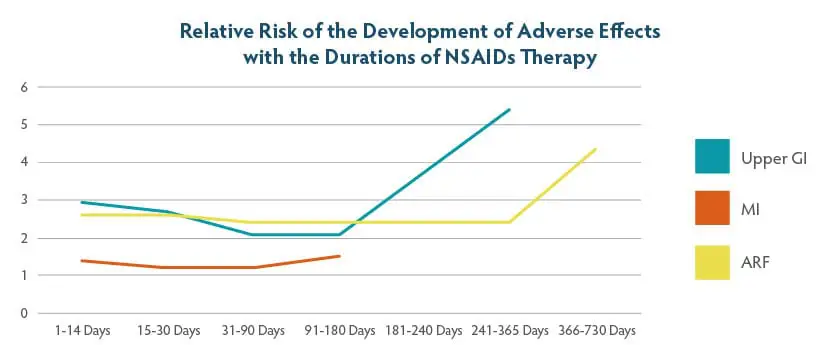
One significant concern is gastrointestinal injury. NSAIDs can contribute to ulcers and gastrointestinal bleeding, with risk influenced by factors such as age, dosage, duration of treatment, medical history, and the use of other medications.
People who take meloxicam for an extended period should follow their healthcare provider’s recommendations and report concerning symptoms.
Peptic Ulcers and Gastrointestinal Problems
Long-term NSAID use can increase the risk of developing peptic ulcers and other gastrointestinal complications.
Risk may be higher for people who:
- Are older adults
- Have a history of ulcers or gastrointestinal bleeding
- Take higher doses of NSAIDs
- Use corticosteroids
- Take blood-thinning medications
- Take multiple medications that increase gastrointestinal risk
Long-term treatment should be monitored by a healthcare professional who can evaluate whether the benefits continue to outweigh the potential risks.
Can You Overdose on Meloxicam?
Potential symptoms of meloxicam overdose include:
- Nausea
- Vomiting
- Drowsiness
- Dizziness
- Fever
- Fainting
- Gastrointestinal bleeding
- Coughing up blood
- Changes in urination
- Seizures
- Loss of consciousness
Alcohol and other medications can increase the risk of complications.
If you believe you or someone else has taken too much meloxicam, seek immediate medical assistance or contact Poison Control. Do not wait for severe symptoms to develop.
Reach out to verify your insurance coverage for addiction treatment
Does Meloxicam Cause Withdrawal?
Stopping meloxicam does not typically produce a characteristic withdrawal syndrome. However, the pain or inflammation that the medication was controlling may return after it is discontinued.
People should not change or stop a prescription medication without discussing it with their healthcare provider, particularly when it has been used to manage a chronic condition.
Meloxicam and Other Substances
Meloxicam can create additional health risks when combined with alcohol or certain medications. If someone is also dependent on another substance, they may need professional support addressing that substance use rather than attempting to manage withdrawal independently.
People struggling with multiple substances or addiction can learn more about substance misuse in Orange County.
Meloxicam and Chronic Pain
Treatment for someone struggling with both chronic pain and addiction may address physical symptoms while also helping the person develop healthier coping strategies.
Alternative approaches to chronic pain management may include:
- Low-impact exercise
- Dietary changes
- Relaxation techniques
- Physical therapy
- Psychotherapy
- Cognitive behavioral therapy
These approaches may be used alongside medical treatment when appropriate.
Alternative Treatments for Chronic Pain
A balanced diet can support overall health and may be part of a broader approach to managing certain chronic health conditions.
Low-impact activities can help some people maintain mobility, strength, and physical function while managing chronic pain.
Breathing exercises, mindfulness, meditation, and other relaxation techniques may help people manage stress that can worsen the experience of chronic pain.
Physical therapy can help improve mobility, strength, flexibility, and function depending on the underlying cause of pain.
Cognitive behavioral therapy can help people develop strategies for managing thoughts, emotions, stress, and behaviors associated with chronic pain.
Meloxicam Addiction Treatment
Someone who misuses meloxicam alongside another substance may benefit from an addiction assessment to determine whether a substance use disorder is present.
Treatment may focus on:
- Understanding substance use patterns
- Developing healthier pain-management strategies
- Identifying emotional or psychological triggers
- Treating co-occurring mental health concerns
- Learning relapse-prevention skills
- Building healthy coping mechanisms
- Connecting with continuing-care resources
Laguna Shores Recovery provides addiction treatment designed to help individuals address substance use and develop healthier strategies for long-term recovery. Learn more about available addiction treatment programs or explore addiction treatment services.
When Should You Seek Help?
Warning signs that additional support may be needed include:
- Taking medications differently than directed
- Combining multiple substances
- Using substances to cope with emotional distress
- Continuing substance use despite health consequences
- Repeated attempts to stop using another addictive substance
- Difficulty managing chronic pain without substances
- Experiencing problems at work, home, or in relationships because of substance use
An assessment can help determine what type of treatment or medical support is appropriate.
If substance use has become difficult to control, exploring professional addiction treatment can be an important next step.
Verify Your Insurance Coverage
Get Help for Substance Use and Addiction
However, taking meloxicam incorrectly or combining it with alcohol, other medications, or substances can create serious health risks. People managing chronic pain may also benefit from exploring approaches beyond medication, particularly when substance use has become part of the way they cope with pain.
If you or someone you love is struggling with addiction, problematic substance use, or chronic pain complicated by substance use, professional support can help.
Contact Laguna Shores Recovery to learn more about available treatment options.